WhoshouldIsee Tracks
Building 42 Wrest Park Silsoe BEDFORD Bedfordshire MK45 4HP
01525 860222
info@silsoeodours.co.uk

Blog

Odour assessor conducting site odour monitoring and assessment for planning and environmental permit compliance

Why Odour Monitoring & Site Odour Assessment is Important

Odour monitoring helps operators prevent nuisance, maintain permit compliance, and support planning applications. Explore methods and services for effective odour management.

Graphic illustrating regulations for industrial odour management in the UK.

Odour Management in the UK: A Guide to Compliance & Permits

Managing odour is a key responsibility for UK regulated industries. This guide explains how to comply with environmental permits, implement best available techniques, monitor emissions and build an effective odour management plan.

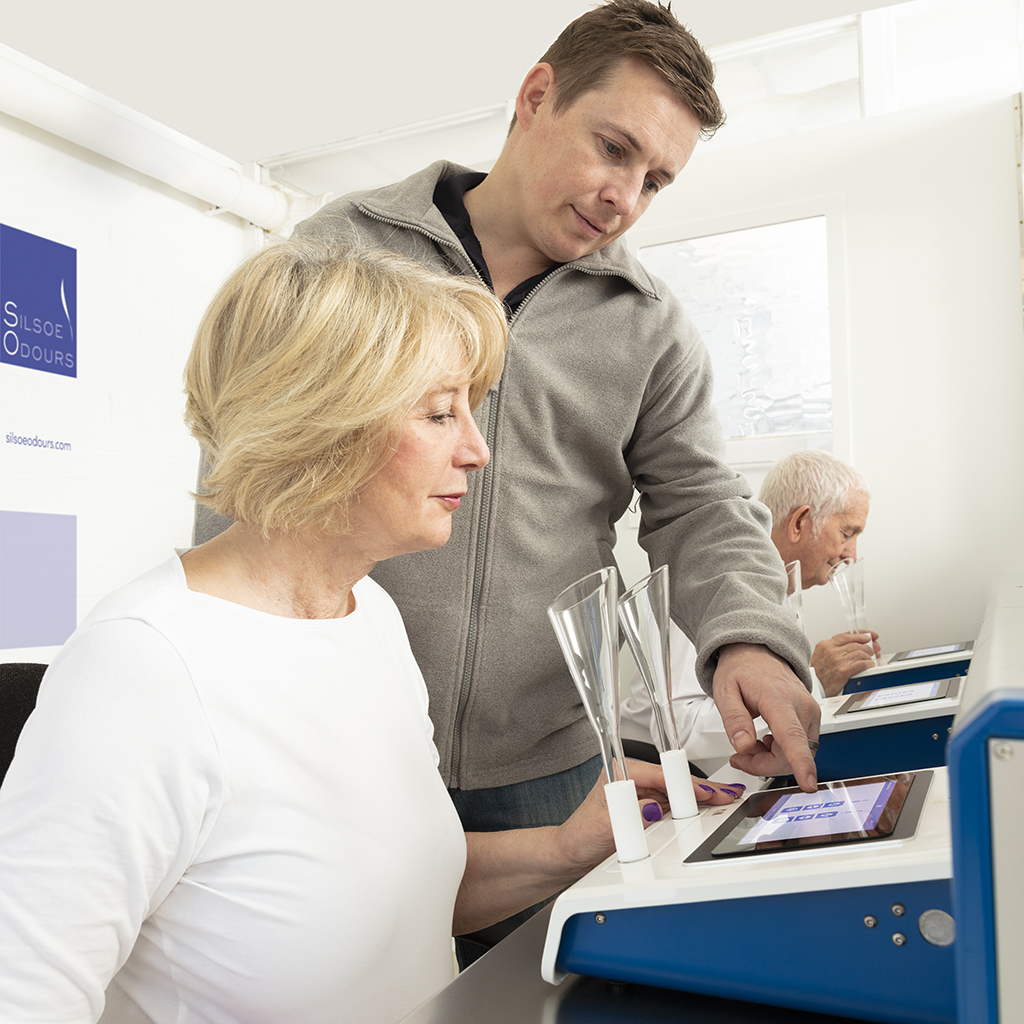
Odour panel members conduct olfactometry testing according to European odour standard EN 13725:2022

BS EN 13725:2022 | The European Standard for Odour Measurement

Silsoe Odours has helped shape odour science in Europe for decades. Our Director, Robert Sneath, helped develop EN 13725:2022, the European standard for odour measurement. This blog explains what the standard covers, why it matters, and how UKAS-accredited testing ensures reliable results.

An industrial development during construction, illustrating the importance of considering odour impact in development.

Odour Impact in Planning & Development

Planning near landfills, wastewater sites, or industrial facilities? Odour can be a hidden risk that affects approvals, property values, and long-term asset performance. This guide explains when an odour impact assessment is needed, your responsibilities under the “agent of change” principle, and key UK regulations and guidance to help developers mitigate odour risks from the earliest planning stages.

Residential area near industrial site, illustrating potential odour complaints and the importance of professional odour management.

Odour Complaints & How to Handle Them

Learn how to understand, handle, and prevent odour complaints at industrial sites. Tips for odour monitoring, complaint management, and maintaining community trust.

Seasonal odour management taking place across winter, spring, summer and autumn.

Seasonal Odour Management: A Year-Round Guide for Regulated Sites

A practical guide to seasonal odour management for regulated sites. Learn how to plan, monitor, and control odours year-round while staying compliant and protecting community relations.

Silsoe Odours expert uses a Lindvall Hood to collect an odour sample.

Odour Measurement: How to Measure Odour

At Silsoe Odours, we can objectively measure, assess and analyse odours in line with international odour measurement standards. In this article, we explore how to measure odour, with a particular focus on the odour measurement equipment used for both sampling and testing.

Open wood-chip biofilter showing odour abatement equipment for effective odour control in industrial setting

3 Steps to Effective Odour Control

Learn 3 practical steps to effective odour control on industrial sites. Includes planning, equipment design and ongoing monitoring. Reduce complaints, improve efficiency and stay compliant with expert guidance from Silsoe Odours.

Odour control equipment at an industrial facility.

Odour Control Equipment: Common Mistakes & How to Avoid Them

Odour control equipment is essential for effective industrial odour management, but simple mistakes can reduce efficiency, increase costs, and risk compliance. This blog highlights the most common errors in selecting and operating odour control equipment and explains how to avoid them to keep your site effective, efficient, and complaint-free.

Thermometer showing high temperature, illustrating odour in hot weather

Odour in Hot Weather: How Climate Change Increases Emissions

Rising temperatures can intensify odours from industrial and agricultural sites, making them more noticeable to surrounding communities. Discover how proactive odour management in hot weather reduces complaints and ensures compliance.

Ammonia air sample analysis in a specialist laboratory using analytical equipment

The Best Way to Manage Air Quality & Ammonia

Ammonia is a colourless gas that can impact air quality, health, soil and water bodies. Understanding its sources, monitoring methods, and regulatory requirements helps industrial and agricultural operators reduce environmental and community risks. Discover best practices for ammonia management, including sampling, laboratory analysis and emission reduction strategies.

Aerial shot of an industrial site showing potential odour sources

Common Industrial Odour Sources: How to Identify, Assess & Manage Odour Risks

Learn how to identify and manage industrial odour sources, reduce emissions, prevent complaints and stay compliant with odour regulations.

Odour sample bag connected to an olfactometer for odour sample testing

Odour Sample Testing: How to Collect & Send Samples Safely

Learn how to collect, store and send odour samples safely for accurate laboratory testing. This guide explains best practice odour sampling methods and how to ensure reliable, UKAS-accredited testing results.

Safe Contractor logo alongside trusted odour consultants at Silsoe Odours, demonstrating regulatory compliance and professional expertise

Is Your Odour Consultant a Safe Contractor?

Find out why engaging a Safe Contractor odour consultant protects your operations, ensures compliance and delivers professional, reliable odour management services.

Industrial facility with surrounding green area representing environmental responsibility and odour management

Benefits of Odour Management: Compliance, Planning & Risk Reduction

Effective odour management helps operators reduce emissions, demonstrate compliance and secure planning permission. Here’s why it matters.

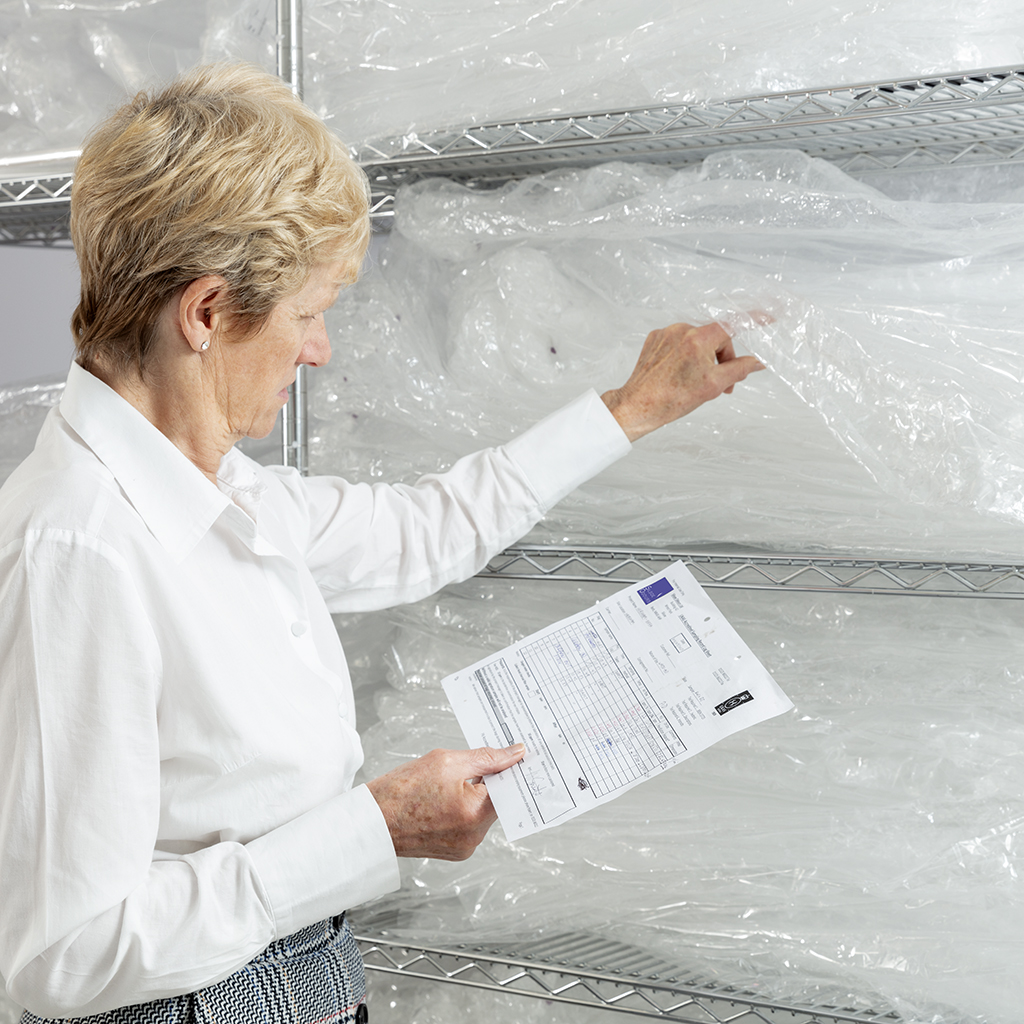
Recording site odour monitoring data for environmental permit compliance.

Documenting Odour Compliance: Best Practices for Operators

Learn how to document odour compliance effectively. Our guide explains site odour monitoring, record-keeping, complaints management, and best practices to support environmental permit compliance.