WhoshouldIsee Tracks
Building 42 Wrest Park Silsoe BEDFORD Bedfordshire MK45 4HP
01525 860222
info@silsoeodours.co.uk

Author: SilsoeOdours

Ammonia air sample analysis in a specialist laboratory using analytical equipment

The Best Way to Manage Air Quality & Ammonia

Ammonia is a colourless gas that can impact air quality, health, soil and water bodies. Understanding its sources, monitoring methods, and regulatory requirements helps industrial and agricultural operators reduce environmental and community risks. Discover best practices for ammonia management, including sampling, laboratory analysis and emission reduction strategies.

Odour sample bag connected to an olfactometer for odour sample testing

Odour Sample Testing: How to Collect & Send Samples Safely

Learn how to collect, store and send odour samples safely for accurate laboratory testing. This guide explains best practice odour sampling methods and how to ensure reliable, UKAS-accredited testing results.

Odour assessor conducting site odour monitoring and assessment for planning and environmental permit compliance

Why Odour Monitoring & Site Odour Assessment is Important

Odour monitoring helps operators prevent nuisance, maintain permit compliance, and support planning applications. Explore methods and services for effective odour management.

Industrial facility with surrounding green area representing environmental responsibility and odour management

Benefits of Odour Management: Compliance, Planning & Risk Reduction

Effective odour management helps operators reduce emissions, demonstrate compliance and secure planning permission. Here’s why it matters.

Odour Abatement Equipment, used to control odour emissions on industrial sites

Odour Control: How to Manage Emissions for Compliance

Odour control is essential for reducing emissions and maintaining compliance. Learn practical odour control methods to prevent complaints and manage industrial odour.

Map - example of an odour dispersion model, showing the odour impact on the nearby community.

Odour Dispersion Modelling Explained: The Science Behind Predicting Odour Impact

Odour dispersion modelling is a scientific tool that predicts how odours spread from a site over time. Our technical guide explains the process, key inputs, and iterative scenario testing, helping developers and planners minimise odour impacts, reduce complaints, and support planning and environmental permits.

Skilled odour consultant at Silsoe Odours' UKAS-accredited laboratory, conducting dynamic olfactometry for objective odour measurement.

Is Objective Odour Measurement Possible?

Odours are subjective, varying from person to person. This makes them hard to measure. But objective odour measurement is possible. The key is using trained assessors, standardised methods, and accredited lab testing. UKAS accreditation to BS EN 13725:2022 ensures results are reliable and accurate. This makes odour data useful for planning, permitting, and environmental investigations.

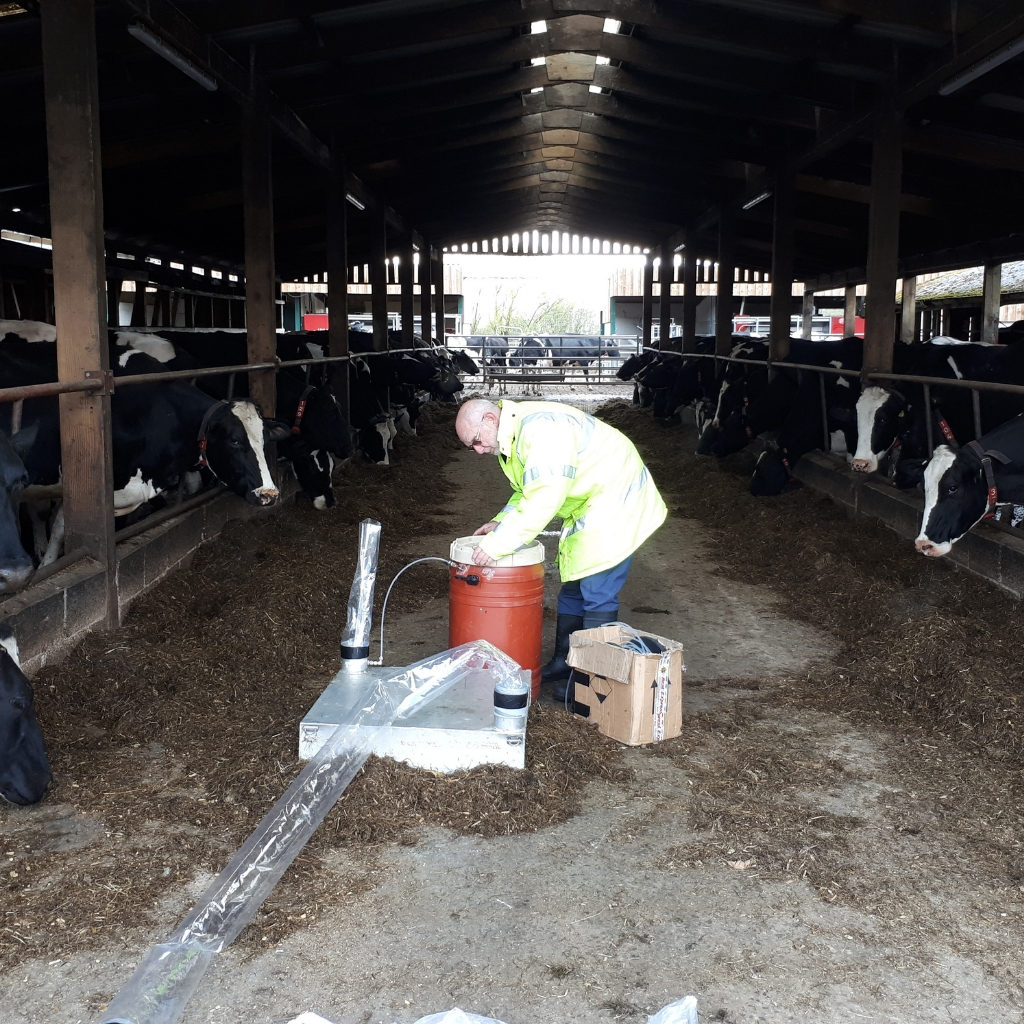
The Silsoe Odours team have achieved UKAS accreditaiton for on-site odour sampling activities

SILSOE ODOURS RECEIVES ODOUR SAMPLING ACCREDITATION FROM UKAS

ODOUR SAMPLING ACCREDITATION At Silsoe Odours, we are well known for our odour expertise and proficiency across all our services. Indeed, we have many wonderful client testimonials to that effect. With this in mind, we are delighted to hold further evidence of this dedication to quality results. In 2019, we received UKAS accreditation for odour…
Read more